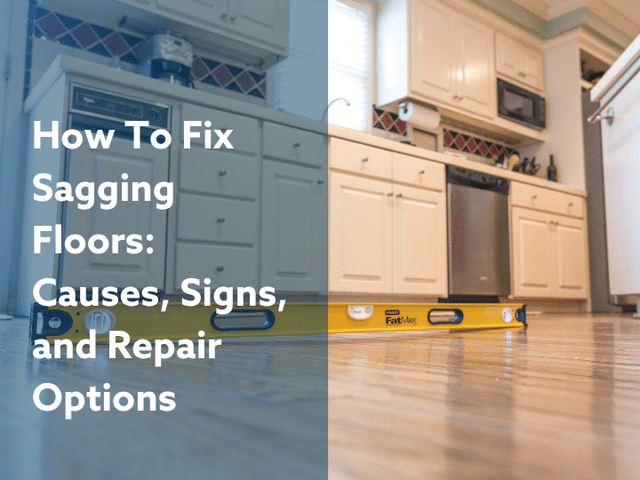
4 Home Crawl Space Mistakes

It's pretty common to have issues with your crawl space.
By nature, crawl spaces are damp, dingy, messy places that leave a portion of your home exposed to the elements. And while most homes with crawl spaces do have some venting, it's rare for that alone to prevent mold growth.
In this article, we will go through four of the most common mistakes we see with crawl spaces. Let's get into it.
1. Exposed insulation
Cold, drafty floors are a common complaint in homes with exposed crawl spaces.
A DIY fix we see all the time is homeowners stuffing fiberglass insulation between the floor joists to keep the cold out. It seems logical and in some parts of the house, it works just fine.
But crawl spaces are a different story.
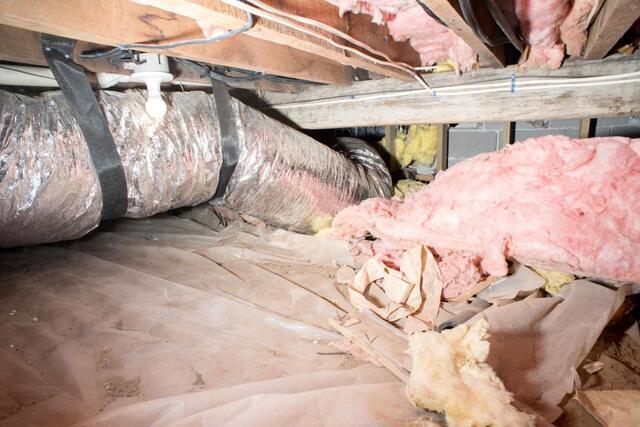
Fiberglass insulation isn't built for wet environments. Moisture rises from the soil below, and condensation forms on HVAC ductwork. That moisture gets absorbed into exposed insulation, and once fiberglass gets wet, it loses almost all of its insulating power.
Even worse, paper-backed fiberglass is an organic material. In a damp crawl space, it can become a breeding ground for mold, mildew, and allergens - turning what was meant to be a solution into a bigger problem.
In short, fiberglass insulation belongs inside your walls, not under your crawl space floor.
2. Appliances vented into crawl spaces
This one shows up more often than you’d think, especially with dryers.
The idea usually goes something like this: “There’s enough airflow down there. It’ll be fine.” Unfortunately, it’s not.
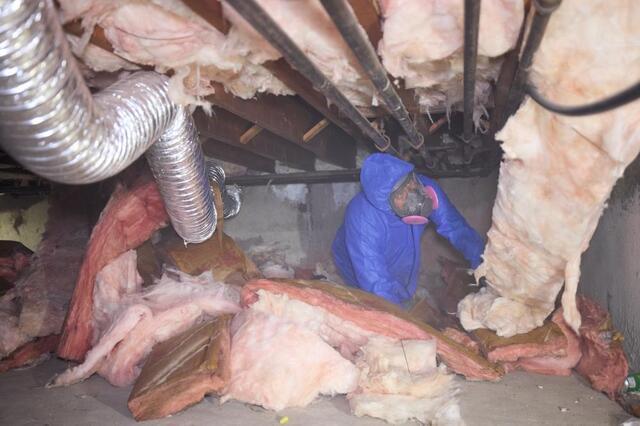
Dryers push out warm, humid air. When that air gets vented into a crawl space, it doesn’t escape. It spreads. That extra moisture quickly raises humidity levels and creates the perfect environment for mold growth, wood rot, and warped floors.
Crawl spaces aren’t designed to handle added moisture. Even small amounts, over time, can cause big problems.
3. Vapor barrier stapled to floor joists
Vapor barriers are meant to block moisture, so this one sounds like a good idea.
What we often see is homeowners stapling a vapor barrier to the underside of their floor joists, thinking it will protect the floors above. The intention is right. The execution is not.
When a vapor barrier is installed this way, it traps moisture between the barrier and the flooring. As temperatures rise and fall, condensation forms in that space, and once again, you’ve created ideal conditions for mold and wood rot.
A vapor barrier should stop moisture at the source (the dirt floor), not trap it against the structure of your home.
4. Pooling gutter and downspout water
Gutters and downspouts don’t just protect basements. Homes with crawl spaces are just as vulnerable.
When gutters are clogged, damaged, or discharging water too close to the house, that water has to go somewhere. And water always finds the lowest point, which, in homes without basements, is often the crawl space.
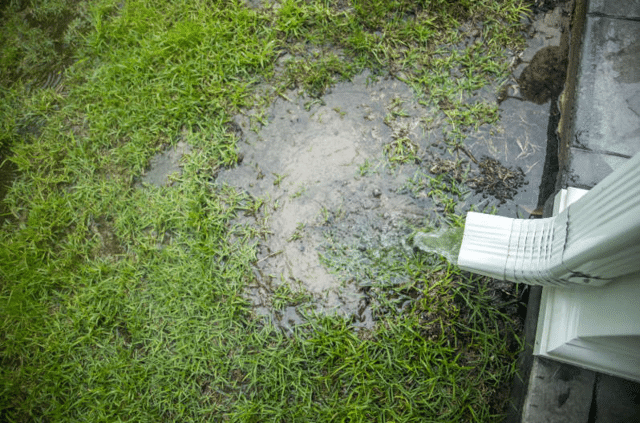
Pooling water around the foundation can lead to mold growth, musty odors, rotting wood, and even settling or sinking support structures beneath your home.
Good drainage isn’t optional. It’s a key part of keeping your crawl space dry and your home structurally sound.
When to call a professional
If you’re seeing (or smelling) signs of excess moisture in your crawl space, it’s time to have it checked out.
Our trained crawl space professionals offer free, no-obligation inspections to help you understand what’s happening under your home. Our solutions create a complete barrier between your home and the exposed soil below, helping control moisture, reduce allergens, and protect against mold, rot, mildew, and pests.
Sometimes the problem isn’t obvious, but the damage can still be happening. A quick inspection can make all the difference.
Article Categories: