
How to Fix A Sagging Floor: Causes, Signs, and Repair Options
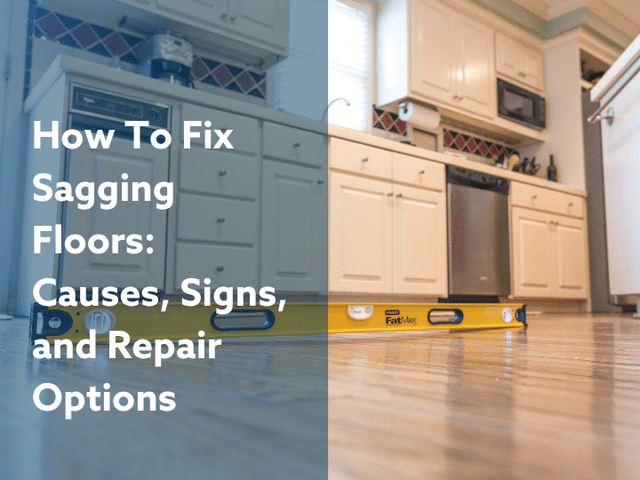
It can indicate movement beneath the home, weakened floor joists, or moisture damage in the crawl space. The sooner you understand the pattern, the easier it is to choose a repair that protects the rest of the structure.
To understand how to fix sagging floor problems, first identify the underlying cause. That cause is usually foundation settlement, damaged or undersized joists, moisture and rot, pests, or an aging construction detail. Minor surface changes may need finish work, but structural movement usually calls for a professional assessment and an engineered repair rather than a quick cosmetic fix.
Start by looking at where the floor dips and what changes around it. Sticking doors, gaps, bounce, or cracks can help show whether the issue is isolated to the framing or connected to the foundation. Knowing the likely source is the first step toward selecting a safe, lasting solution.
What Causes a Sagging Floor?
A floor can begin to sag when the support beneath it shifts, weakens, or was not adequate for the load in the first place. In many homes, more than one issue is involved. For example, a small change in the foundation may become more noticeable after years of moisture exposure in the crawl space. Identifying the cause matters because the right approach for a damaged joist is different from the right approach for unstable soil.
Foundation settlement and unstable soil
Soil under a foundation can shrink, expand, wash away, or compact unevenly. When one part of the foundation settles more than another, the floor framing above it may lose consistent support and become uneven. This is called differential settlement, and it is recognized as a cause of uneven floor levels throughout a building. Learn more about floor structure resilience from the University of Texas at San Antonio.
Damaged or undersized floor joists
Floor joists carry the weight of the floor and the rooms above it. Cracks, splits, bowing, or joists that are too small for the span can allow the floor to flex and dip. Loose or deteriorated connections can add to the movement. A joist problem may be localized to one room, or it may affect a larger area when several framing members have weakened.
Moisture, rot, and pests
Water entering a crawl space, poor drainage, or persistently high humidity can leave wood framing damp. Over time, wet or dry rot can weaken beams and joists, while waterlogged wood may swell, bow, or buckle. Termites and other insects can also damage the wood from the inside, reducing its strength before the problem is obvious. The University of Texas at San Antonio identifies both moisture-related rot and substantial insect damage as threats to wood floor members. If you see mud shelter tubes along the foundation or in the crawl space, the Mississippi State University Extension recommends having the condition evaluated for possible termite activity.
Age and construction details
Sagging floors are more common in older homes because materials and connections have endured decades of loading, movement, and moisture cycles. Poor original construction, inadequate support, or aging materials can also contribute. A professional inspection can separate normal age-related wear from a structural problem and help determine how to fix a sagging floor without addressing only the visible dip.
Early Warning Signs of a Sagging Floor
A sagging floor usually develops gradually, so small changes can be easy to overlook. Pay attention to how the floor feels and how nearby doors, windows, walls, and ceilings look. Not every uneven spot means your home has a serious structural problem, but a pattern that is getting worse deserves a closer look.
Floor joists are load-bearing members beneath the subfloor and finished flooring. They help carry the weight of the room, so damage, movement, or loose connections can affect more than appearance. The University of Texas at San Antonio identifies loose or damaged structural connections as a condition that should be inspected, along with problems involving beams and joists.
- Visible dips or slopes: Set a small ball on the floor or look across the room from a low angle. A noticeable dip, slope, or change in elevation between rooms may point to movement beneath the floor.
- Floor bounce or flex: A floor that feels unusually springy, soft, or bouncy when you walk across it may have weakened or undersized support. Take note if the movement is concentrated in one area.
- Doors and windows that stick: Doors or windows that suddenly become difficult to open, close, or latch can signal shifting around the frame. Sticking doors and windows are a recognized sign associated with sagging floors and possible foundation issues.
- Wall or ceiling cracks: New cracks, widening cracks, or gaps where walls meet ceilings can accompany movement in the structure. Photograph them and record when you first noticed them so you can monitor changes.
- Loose structural connections: In an accessible basement or crawl space, look for visibly loose or damaged connections between joists, beams, posts, and other framing. Do not force, tighten, or modify structural parts yourself.
These signs do not identify the cause on their own. Moisture, settlement, damaged wood, and connection problems can look similar from inside the home. If several signs appear together, documenting them and arranging a professional assessment can help determine whether the floor needs monitoring, stabilization, or structural repair.
Can You Fix a Sagging Floor Yourself?
Some basic checks are reasonable for a homeowner, but a visibly sagging floor is rarely just a cosmetic problem. You can look for standing water, damaged crawl space materials, loose connections, or obvious signs of pests without attempting to move structural members. Take photos, note where the floor feels soft or uneven, and avoid placing extra weight in an area that feels unsafe.
Structural sagging usually needs a professional assessment because the visible dip may be the result of foundation settlement. Weakened joists, moisture damage, or another issue below the finished floor. Floor joists and beams carry the load of the subfloor and finished floor. Changing one support without understanding the load path can shift stress to another part of the home. A professional can evaluate the framing, crawl space, foundation, and drainage conditions together instead of treating only the symptom. See an example of repairing damaged floor joists to understand why the right solution depends on what the inspection finds.
What about using floor jacks?
Jacks can be part of a temporary stabilization plan, but placing a jack under a sagging beam is not the same as completing a permanent repair. A jack that is undersized, positioned on a weak surface, or raised too quickly can create new stress and damage. Even properly installed jacks may only support the floor while a lasting repair is designed.
When should you call a professional?
Get professional help before attempting repairs if a beam or joist is cracked, rotted, badly warped, loose, or visibly unstable. An engineer may need to evaluate damaged or unstable framing and determine whether it should be reinforced or replaced. This is especially important when the floor sag is getting worse, several rooms are affected, doors are sticking, or the crawl space has moisture or termite evidence. Structural assessment is advised because DIY work may not address the underlying cause. If you are researching how to fix sagging floor problems, start with an inspection and a written repair plan rather than trial-and-error lifting.
How to Fix a Sagging Floor: Step-by-Step Repair Options
Fixing a sagging floor starts with identifying why the floor moved, not simply lifting it back into place. A sound repair addresses the damaged framing, moisture, settlement, or inadequate support that allowed the dip to develop. The right sequence may look like this:
- Diagnose the cause. A professional examines the floor's slope, bounce, framing, support points, and crawl space conditions. The assessment looks for cracked or weakened joists, loose connections, drainage problems, rot, pest damage, and foundation movement. Differential settlement can create different floor levels between parts of the home, so the visible dip may not be the original source of the problem. A structural engineer may be needed when beams or joists are unstable or the repair design requires engineering input. Learn more about floor structure assessment and repair priorities.
- Correct moisture and rot in the crawl space. Water intrusion, high humidity, or poor drainage can weaken wood framing over time. Before reinforcing a joist, the repair plan should address the moisture source and determine whether affected wood can be treated or must be replaced. This protects new work from the same conditions that caused the damage.
- Reinforce or sister damaged joists. Floor joists carry the subfloor and finished floor, so cracked, undersized, or deteriorated members may need structural stiffening. Sistering adds properly sized framing alongside a damaged joist, while related repairs may strengthen its connections and bearing points. The exact method depends on the damage, span, access, and load path. See examples of repairing damaged floor joists.
- Repair foundation settlement with piers or leveling. If soil movement or foundation settlement caused the floor to drop, joist work alone will not correct the underlying support problem. A foundation specialist may use engineered piers, structural supports, or a controlled leveling approach to stabilize the affected area. The goal is a durable load path, not just a temporarily flatter floor.
- Install permanent support and protective coatings. New beams, posts, pads, or other supports must be placed correctly and transferred to stable bearing points. Jacks can help with temporary stabilization, but they are not automatically a permanent repair. Once the structure is repaired, protective or consolidating coatings may help reduce moisture-related damage to floor framing. Thrasher can evaluate crawl space and foundation conditions and recommend the appropriate repair path, including repairing sagging crawl space floors.
Floor Joist Repair vs. Foundation Repair: Costs and Approach
The right repair depends on what is losing support. Floor joists carry the subfloor and finished flooring, so damaged or weakened framing can create a localized dip. Foundation settlement can change the elevation of an entire area or several rooms. An inspection should determine whether the floor needs stronger framing, restored foundation support, or both.
| Floor joist repair | Foundation repair | |
|---|---|---|
| Typical scope | Addresses damaged, weakened, or undersized joists and their connections. Work may include reinforcing or replacing framing and improving support below it. | Addresses settlement, shifting, or inadequate support beneath the structure. The approach may involve stabilizing or lifting the affected foundation area. |
| Does it address settlement? | Not by itself. Stronger joists can support the floor, but they do not correct movement in the foundation or soil. | Yes, when settlement is the underlying cause. Stabilizing the foundation can address the source of uneven floor levels. |
| When it may apply | A localized sag is linked to rot, moisture damage, cracking, or a failing beam or joist, while the foundation remains stable. | Multiple rooms are uneven, the floor movement follows a settlement pattern, or foundation and soil conditions indicate lost support. |
| Typical cost and timeline | Costs vary with access, damage, materials, and the amount of framing involved. Some specialized sagging-floor repairs are priced near $300 per linear foot. | Costs depend on the extent of settlement, the support system required, and site conditions. Both approaches may take from a focused repair to a larger project, so a written scope matters. |
Across sagging-floor projects, reported costs commonly range from $3,000 to $18,000, with an average near $6,200. These figures are planning ranges, not a quote, because the same visible dip can have very different causes. A repair that only covers the flooring or adds a temporary jack may leave the structural problem unresolved. A qualified evaluation can identify the load path and recommend a lasting approach. For more context, see our guide to repairing sagging crawl space floors. Address the issue promptly, especially if the dip is worsening, moisture is present, or doors and windows are beginning to stick.
When to Call a Professional for Structural Floor Repair
A sagging floor deserves a professional evaluation when the cause may involve the home's load-bearing framing, moisture, pests, or foundation. A cosmetic fix can make the surface look better without restoring the support beneath it. If the floor is changing quickly, feels unstable, or is accompanied by visible damage in the crawl space, limit heavy activity in the area and arrange an inspection.
Termite evidence is an important reason to call for help promptly. Look for mud shelter tubes traveling up the foundation, either outdoors or inside the crawl space. The Mississippi State University Extension Service identifies these tubes as a sign of subterranean termite activity and recommends consulting a reputable pest management professional for inspection and treatment when evidence is present. Termites may damage wood internally, so a floor can lose strength before the problem is obvious from above.
Water damage also calls for a careful assessment. After a plumbing leak, flooding, or other saturation, air out the affected area as soon as it is safe to do so, then have the framing checked. Wet or dry rot can weaken beams and joists, while swelling, bowing, or buckling may change how loads move through the floor. Do not assume that drying the surface has solved the structural problem. A recent water event combined with bounce, sagging, soft wood, or a musty crawl space is a strong reason to schedule an evaluation.
Beams or joists that appear cracked, split, twisted, severely deteriorated, or poorly supported may need an engineer's evaluation before repair begins. Floor joists carry the subfloor and finished floor, and the right solution may involve reinforcing or replacing framing. Correcting the source of moisture, or stabilizing movement below the home. Protecting floor framing with appropriate treatment can also help reduce future moisture-related decay, but coatings cannot substitute for replacing damaged wood or correcting an active water problem.
If you are unsure how to fix sagging floor problems safely, a local structural repair company can identify the cause and explain the options. Thrasher offers free professional inspections to help homeowners understand what is happening and choose a durable repair plan without guesswork.
Meet with a trusted expert, and get clear answers about your home.Schedule Your Free Inspection Online In Minutes
Frequently Asked Questions
Can you fix a sagging floor yourself?
You can document visible dips, bounce, moisture, and sticking doors, but avoid lifting the floor with a jack or replacing structural members without an assessment. Jacks may provide temporary stabilization, while the lasting repair depends on the cause and the condition of the joists, beams, and foundation.
What causes floors to sag?
Common causes include foundation settlement, unstable soil, damaged or undersized floor joists, crawl space moisture and rot, termites, and aging or poor construction. A professional inspection helps distinguish a framing problem from movement in the foundation or support system.
Is a sagging floor dangerous?
It can be a sign of a structural problem that may worsen if the cause remains active. Uneven floors, increasing bounce, cracked walls or ceilings, loose connections, and doors that suddenly stick deserve prompt evaluation, especially when moisture, rot, or pests are present.
How do you level a sagging floor joist?
The repair may involve carefully supporting the area, reinforcing damaged joists, adding blocking, or correcting the foundation or beam beneath them. Because joists carry floor loads, changing their support too quickly can damage the home. Have the repair plan evaluated before permanent work begins.
Can moisture cause sagging floors?
Yes. Persistent moisture can weaken and rot wooden joists and other framing, while drainage problems can affect the supports below the floor. Identify and correct the water source, then inspect the framing for damage before deciding whether drying, reinforcement, or replacement is needed.
A sagging floor can have more than one possible cause, so an inspection can help identify whether the issue involves the crawl space, floor framing, or foundation. Thrasher can help you understand the repair options and choose a practical next step for your home.
Meet with a trusted expert, and get clear answers about your home.Schedule Your Free Inspection Online In Minutes
Article Categories:


