Concrete Leveling vs Replacement: What's the Right Choice?
Concrete leveling vs replacement is often a difficult choice for homeowners who need to fix sunken or cracked slabs. To make the best choice, you must look at the amount of damage there is and the soil state below your home. Concrete leveling is a low cost way to lift sunken slabs back to their right spot using a high density foam. This process often saves you 50% to 75% compared to a full replacement and is much faster to finish. You can often use your driveway on the same day the work is done. However, a full replacement is needed if the concrete has many cracks or has dropped more than six inches. These shifts happen because of soil changes, like Midwest freeze-thaw cycles, rather than the weight of the slab itself.
Why Does Concrete Settle in the First Place?
Most homeowners think their concrete slabs stay still after they are dry. But foundation movements often happen because of the soil under the slab. In the Midwest, your driveway or patio faces local issues that cause it to sink. Knowing why this happens helps you choose between concrete leveling vs replacement for your home.
1. The Role of Midwest Clay Soils
Many homes in our area sit on clay soils. This dirt acts like a sponge. When it rains, the clay soaks up water and expands. In dry months, the soil shrinks back down. This cycle leaves gaps under your concrete. Without a firm base, the heavy slab will drop into those empty spots. This is a common cause of sinking in older homes built from 1960 to 1990.
2. Impact of Freeze and Thaw Cycles
Winter weather in states like Nebraska and Kansas adds stress to your concrete. Water gets under the slab and turns to ice. Ice takes up more room than water, so it pushes the slab up. When the ice melts, the slab falls. This move happens over and over. It weakens the dirt and leads to differential settlement, which creates trip hazards.
3. Poor Base Prep and Water Erosion
Some homes have issues from the start. If a builder did not pack the dirt well before the pour, the slab will sink as the dirt shifts. Rain can also wash away the soil under your driveway. Water from gutters or big storms often pulls dirt out from under the concrete. Thrasher offers concrete repair services to fix these gaps and make your surfaces safe again.
What Is Concrete Leveling? (And How Does It Work?)
Concrete leveling is a fast way to fix sunken slabs without tearing them out. It works by filling the empty space under your concrete to push it back up to its right spot. Many homeowners choose this over replacement because it is quick and saves money. While correcting differential settlement can involve many steps, the goal is always to make your surfaces safe and even again.
The PolyLevel process
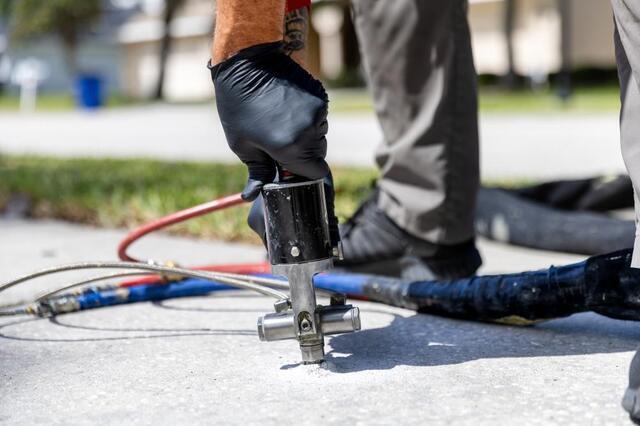
At Thrasher, we use a high-density foam called PolyLevel to lift your concrete. First, our team drills small holes about the size of a penny into the slab. Then, we inject the foam through these holes. From there, the foam expands to fill the void and lifts the slab with great force. Once the slab is level, we seal the holes and joints. This concrete leveling process is clean and does not leave a mess in your yard.
PolyLevel versus Mudjacking
You may have heard of mudjacking, which is an older way to lift concrete. Mudjacking uses a thick grout made of mud and cement to push up slabs. This method requires pressure-injecting grout through holes that are much larger than the ones we use for foam. Mudjacking is very heavy which can put more stress on weak soil. PolyLevel foam is lightweight and waterproof, so it will not wash away or cause the cement to sink again later on.
Key Benefits for Homeowners
One of the best things about foam leveling is how fast it works. Your concrete is usually ready to use in 15 minutes to the same day. This is much faster than the days or weeks you might wait for new concrete to cure. Not only that, but the foam is safe for the earth and will not harm your soil. To give you peace of mind, Thrasher offers a 5-year warranty on our work. This makes it a smart, long-term fix for your home.
When Is Concrete Replacement the Better Option?
Concrete leveling is a great fix for most homes. But there are times when just lifting a slab will not work. Sometimes, the damage is too big or the soil is too weak. In these cases, you might need to replace the entire slab. Knowing the signs can help you make the best choice for your home.
1. Signs of Deep Damage
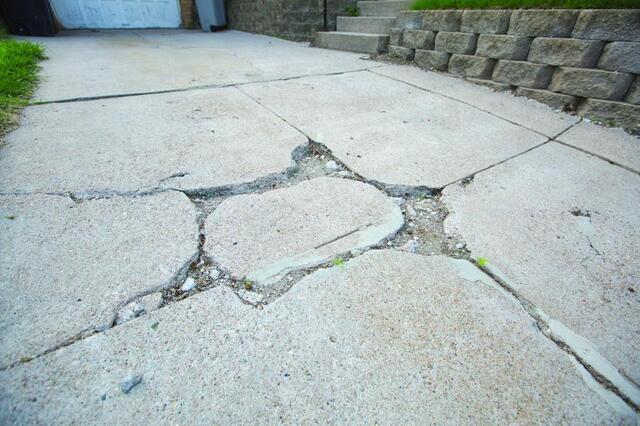
If your concrete looks like a spider web, leveling may not be the answer. A slab with more than 50 cracks usually has deep issues. This often means the concrete itself is failing, not just the soil under it. You should look for these signs of severe damage:
- Deep cracks that run through the full slab.
- Large chunks of concrete that have come loose.
- Concrete that turns into dust or gravel when touched.
- Slabs that have broken into many small pieces.
Severe spalling, where the top layer of concrete chips off, is another red flag. When concrete starts to crumble, it loses its strength. Poured concrete is meant to be a solid unit. Once it breaks into too many pieces, lifting it with foam can be hard to do without the concrete continuing to break. If the concrete is missing large pieces, it can no longer support weight well. In these cases, our concrete repair services experts may suggest a full tear-out.
2. Major Settlement and Soil Issues
Most slabs settle just a few inches. But if a slab has dropped 6 to 8 inches or more, you have a bigger problem. Deep settlement usually points to major soil loss or erosion. It could also mean the soil was not packed down well when the home was built. This is common in the Midwest, where clay soils shift a lot. According to research from MIT, foundation shifts often happen because of the nature of the soil. If the soil is very soft or keeps washing away, lifting the slab might only be a short-term fix. Replacing the concrete allows us to fix the base and add better drainage. We can remove the old soil and put in a solid gravel bed. This solution helps prevent the new slab from sinking again later.
3. When Age and Cost Favor Replacement
The age of your concrete also matters. Slabs less than 10 years old rarely need to be replaced for a simple settling. They are usually strong enough to handle the concrete leveling process without breaking. If your concrete is very old and already worn out, spending money to lift it might not be worth it. Full replacement costs more and takes more time. You will have heavy trucks in your yard and will not be able to use the area for a week. This work can be a lot for some owners. But if the slab is past its prime, a fresh start is often the best path. Replacing the slab gives you a clean look and a solid base for years to come. It also allows you to change the look or size of your concrete area if you want a new design.
Concrete Leveling vs Replacement: Cost Comparison
When you look at concrete leveling vs replacement, cost is often the first thing you think about. Choosing to lift your slabs is a great way to save money. In most cases, the concrete leveling process costs 50% to 75% less than a full replacement. This means you can fix your driveway or patio for a small part of the price of new concrete. Most people save thousands of dollars by fixing what they have.
Lifting your concrete is fast and does not need big tools. You do not have to pay for crews to tear out old slabs. You also do not pay to haul away heavy trash. By using a special foam, you get a strong fix that lasts a long time. This choice keeps your project simple and easy on your budget. It also helps to keep old concrete out of local dumps. This is better for the land and for your yard.
Breaking Down the Cost Factors
The total price of your job depends on the size of the area. A small sidewalk costs less to fix than a big driveway. The cost also depends on how deep the concrete has sunk. If a slab has dropped many inches, it will need more foam to lift it back up. The state of the soil under your home also matters for your final bill.
Midwest soils can be tricky. Thick clay and wet weather make the ground shift and sink. This often leads to cracks and low spots in your yard. So, fixing these spots early is a smart move. It stops the damage from getting worse and keeps your costs low because if you wait too long, the slabs may break. Then, once they are in pieces, they must be replaced. Taking care of your concrete now saves you from big bills later.
Compare Costs by Project Size
Below is a look at broad cost ranges for different jobs. These numbers show how much you might pay for each choice. Keep in mind that a full replacement often costs twice as much as a quick lift. These ranges are based on U.S. data. They can help you see which choice fits your budget best. Thrasher will check your home to give you a firm quote for your exact needs.
Project Size |
Leveling Cost Range |
Replacement Cost Range |
Savings |
|---|---|---|---|
| Small (100-200 sq ft) | $600 - $1,200 | $1,500 - $3,000 | $900 - $1,800 |
| Medium (300-500 sq ft) | $1,200 - $2,500 | $3,000 - $6,000 | $1,800 - $3,500 |
| Large (600+ sq ft) | $2,000 - $4,000 | $6,000 - $12,000 | $4,000 - $8,000 |
Why Quotes Matter for Your Home
The costs shown above are just guesses. Your final price depends on your exact home and how much the slabs have moved. If a slab of concrete is sunken or uneven with only a few cracks, the most common choice is slabjacking. It is often the best choice for homeowners who want to save money and time.
Thrasher wants to help you get the right price for your fix. We give a full check of your home at no cost to you. Our team will look at your slabs and give you a firm price. This makes sure you know just what you will pay. We know that a big repair can be a source of worry, but we are here to help. You can find more about our concrete repair services online. We are here to help you protect your home and your budget for years to come.
Durability: Does Concrete Leveling Last as Long as Replacement?
When you choose between concrete leveling vs replacement, you likely want to know how long the fix will last. Each method has a different life span. Full replacement can last 30 to 50 years if you prepare the base well. However, concrete leveling is a strong and fast way to fix slabs that have settled. If you use high-density foam, the results can last for a long time.
Lifespan of Foam versus Mudjacking
There are two main ways to lift concrete. The older way, called mudjacking, uses a mix of water, dirt, and cement. This mix is heavy and can wash away or sink back down over time. It often lasts just two to five years. Modern concrete repair services now use polyurethane foam instead. This foam is waterproof and does not wash out like mud. High-density foam lifting usually lasts 5 to 10 years or more.
Thrasher uses a foam system called PolyLevel. This material is very light but also very strong. It does not add extra weight to the soil. Because it stays in place, Thrasher offers a 5-year warranty on this work. State records show that injecting polyurethane is a proven way to align roadway sections and stop sinking. This helps homeowners feel sure that their fix will stay level.
Solving the Root Cause
Concrete settles because of the ground beneath it. Water and weather can cause the soil to shift or erode. If you do not fix these soil issues, even new concrete will eventually sink. To make your repair last, you must manage drainage and keep water away from the slab edges.
When you address the soil and water issues, the concrete leveling process can last as long as the slab itself. Leveling fixes the symptom of the sinking. Managing your yard and gutters continues to prevent future sinking. This two-part approach keeps your driveway or patio flat for years to come without the high cost of a full replacement.
Timeline and Convenience: Which Option Is Less Disruptive?
Choosing between concrete leveling and replacement often comes down to how much time you can lose. Home projects can be a mess, but the right choice keeps your daily life on track. Knowing the schedule for each method helps you plan for the work and know when you can use your driveway or patio again.
The Speed of Concrete Leveling
Concrete leveling is a fast fix that fits into a busy day. Most jobs take only a few hours from start to finish. Because the process is so quick, it causes very little stress for homeowners. You do not have to move your cars for long or stay off your paths for days at a time.
- Arrival and setup: A crew arrives and preps the area. They do not need heavy trucks or big machines that could damage your grass.
- Small holes: The team drills tiny holes about the size of a dime (5/8 inch). These are much smaller than the 2.5-inch holes used in older mudjacking methods.
- Foam injection: High-density foam goes under the slab. The concrete leveling process lifts the heavy slab back to its right spot in minutes.
- Immediate use: The foam hardens fast. According to Thrasher, your concrete is ready for foot traffic or cars within 15 to 30 minutes.
The Long Path of Replacement
Full replacement is a major construction task that involves loud noise, dust, and big crews. You will lose the use of your space for a week or more while the new concrete gains strength. This is a much bigger disruption to your home life and routine.
Replacement starts with breaking up the old slab with jackhammers. This creates a lot of debris that requires a dumpster on your property. After the new pour, you must wait for it to cure. Most driveways need at least seven days of drying before you can park a car on them. You can find more details about these wait times in our concrete repair FAQ page.
Disruption and Property Impact
Leveling leaves your yard looking just as it did before. The crew fills the small drill holes with a grout that blends in with the slab. There is no risk of "street creep" or damage to nearby flower beds from heavy machines. Replacement, however, often requires trucks to drive across your lawn, which can leave deep ruts in the soil.
Frequently Asked Questions
1. Is it cheaper to level concrete or replace it?
Leveling your concrete is almost always less expensive than full replacement. Lifting an existing slab tends to cost about 50% to 75% less than tearing it out and pouring new material. This makes leveling a great choice for homeowners on a budget who want to fix settling issues. PolyLevel lifting is a much more cost-friendly option for minor concrete repair projects.
2. How long does concrete leveling last?
The time your repair lasts depends on the method used to lift the slab. Traditional mudjacking often lasts between two and five years. However, high-density foam injection is a much more permanent fix. Polyurethane foam usually lasts for five to ten years or even longer. This foam does not wash away or break down in the soil over time. It provides a stable base that keeps your concrete level for a long time.
3. When is concrete replacement necessary?
You should consider full replacement if your concrete slab has severe damage. This includes large areas of crumbling or slabs with more than 50 cracks. If your concrete has dropped more than six to eight inches, it may mean the soil below has deep issues. In these cases, leveling might not be enough to fix the problem for good. New concrete is best when the old slab is no longer strong or safe to use.
4. How soon can you use a driveway after leveling?
One major benefit of modern concrete leveling is how fast you can use your space. If you use high-density foam like PolyLevel, your driveway or walkway is often ready for use in just 15 minutes. This is much faster than traditional concrete replacement, which often takes a full week to cure. You can drive your car on the leveled surface the same day the work is finished. This keeps the project from being a bother or being in the way.
Ready to Choose Between Concrete Leveling and New Slabs?
Sunken concrete slabs can get much worse if you wait, as putting off a fix leads to deep cracks and higher repair costs for you later. If you set up a check in today, you can stop trip hazards now and protect your home value with a lasting fix that stays firm. You can lift your slabs back to their old height in just a few hours and save both time and cash compared to a tear-out. Our team will look at your driveway or patio and help you pick the best path for a safe home with our concrete repair services.
Ready to schedule your free inspection? Call 800.827.0702 to book your checkup and talk to a concrete repair expert about your home today.
Article Categories: